

Dry and wet processes are two paths to a fiber tray. We explain how they differ and what to ask before deciding.
Two fiber trays can look alike and come from very different processes. Understanding the difference between the dry and wet processes helps you ask for the right thing and compare quotes on equal terms.
What the dry process is
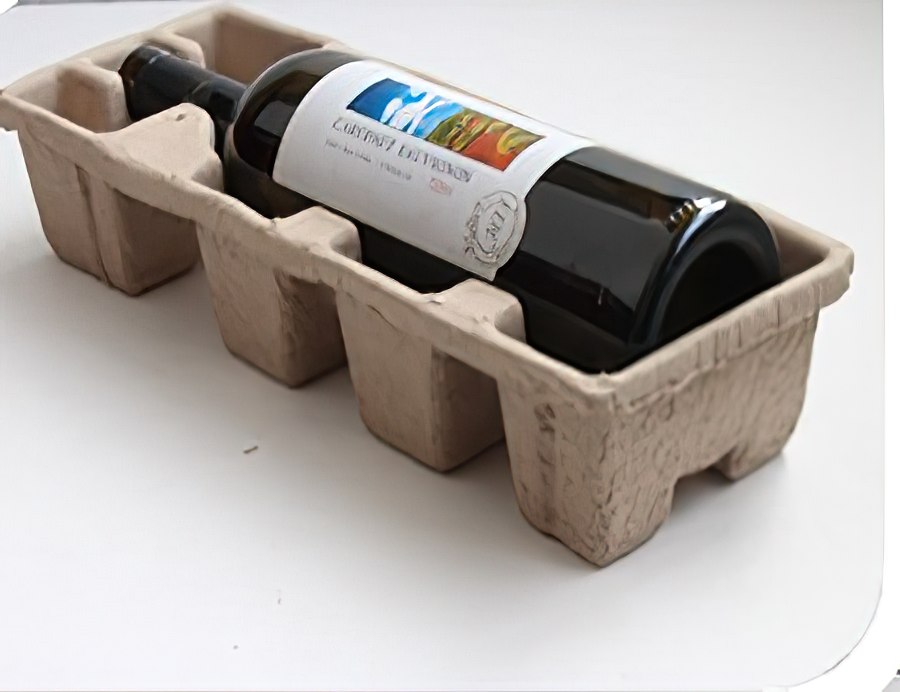
In both processes, the fiber is first dispersed in water to form a suspension, and a vacuum mold collects the fibers on its surface. In the dry process, the freshly formed part leaves the mold and is dried in an oven, without hot pressing.
The result is a part with thicker walls, a natural kraft look and strong cushioning. It is the usual choice for protecting heavy products such as wine bottles or home appliances.
What the wet process is
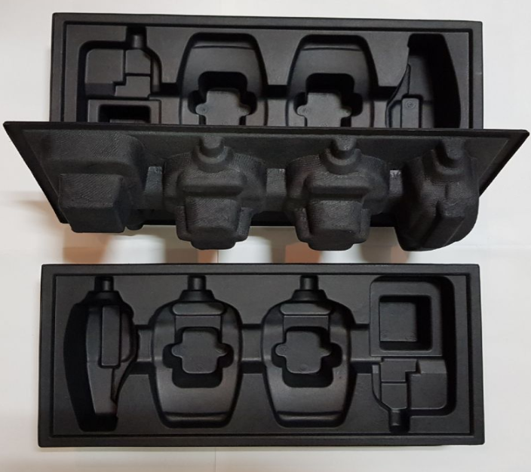
In the wet process, the freshly formed part moves, still wet, into a hot mold that presses it until it is dry. This produces thin walls, smooth surfaces and more precise cavities. This is the process described by Ecovida’s manufacturing flow: pulp raw material, sorting and sizing, hot pressing, and inspection and packing. You can see it step by step in our manufacturing process.
The differences that matter
| Aspect | Dry process | Wet process |
|---|---|---|
| Starting point | Fiber suspended in water | Fiber suspended in water |
| Final shape | Vacuum mold and oven drying | Hot pressing while the part is wet |
| Typical use at Ecovida | Protection of products such as wine or home appliances | Precision trays for electronics |
| What to validate | Part weight, cushioning, drying times | Cavity detail, stiffness |
These are general trends. Each supplier and each machine has its own capabilities, so it is worth evaluating real samples.
How to decide
Ask yourself these questions before choosing:
- How precise must the fit be? Components with small cavities usually call for greater definition.
- Is the tray visible or does it only protect? If it is part of the unboxing experience, finish matters more.
- How much does your product weigh? Heavy products may need thicker walls and more cushioning.
- What is the annual volume? It influences the technology, the mold and the cost per part.
- Do you have color requirements? In pulp, color is integrated in different ways depending on the process.
What to ask for when requesting a quote
To make two quotes comparable, ask them to state the manufacturing process, fiber type, grammage or thickness, tolerances, mold cost and service life, and what tests have been performed. That way you will know whether you are comparing the same thing.
If you are unsure which process suits your part, send us your product or drawings and we will review it with you.
Frequently asked questions
Which of the two is better?
Neither is better in every case. It depends on the product, finish, volume and budget. We recommend comparing samples with your own tests.
Why is it called the dry process if it also uses water?
The name refers to how the part is finished: in the dry process it is oven-dried, and in the wet process it is hot-pressed while still wet. If you need water or energy consumption data for a sustainability report, ask for measurements for the specific plant and part.
Can black trays be made?
Yes. Black wet-process trays are common in electronics because they offer a clean, uniform look. You can see them in our applications for that sector.