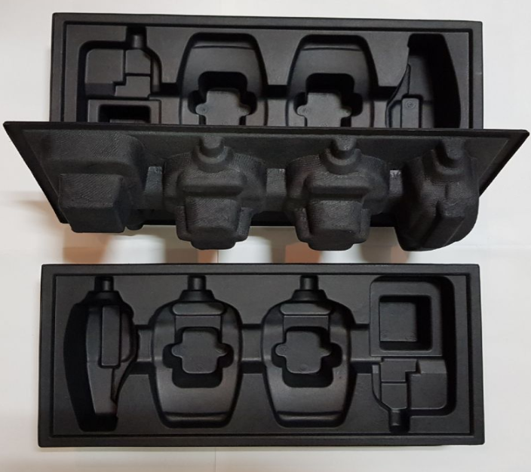
From raw material to the shipping box: this is how fiber becomes a precision tray, and what you can ask for at each stage.
A molded pulp tray looks like a simple part, but behind it is a process with several decisions that affect the result. Knowing it lets you ask your supplier better questions and avoid surprises.
Before the factory: design
Every project begins by understanding what is going to be protected. With the product or its 3D model, the tray’s geometry is defined: the cavities, draft angles, reinforcing ribs and stacking. Good design solves much of the protection and cost from this point on.
Prototypes are then made to test fit and strength before investing in a production mold.
Step 1. Pulp raw material
The fiber is selected according to the finish and strength the part needs. Controlling this stage is key to keeping production uniform from one lot to the next.
Step 2. Sorting and sizing
The pulp is sorted and prepared with the dimensions and amount of material the part needs. A uniform distribution of fiber prevents weak spots and thickness variations in the tray.
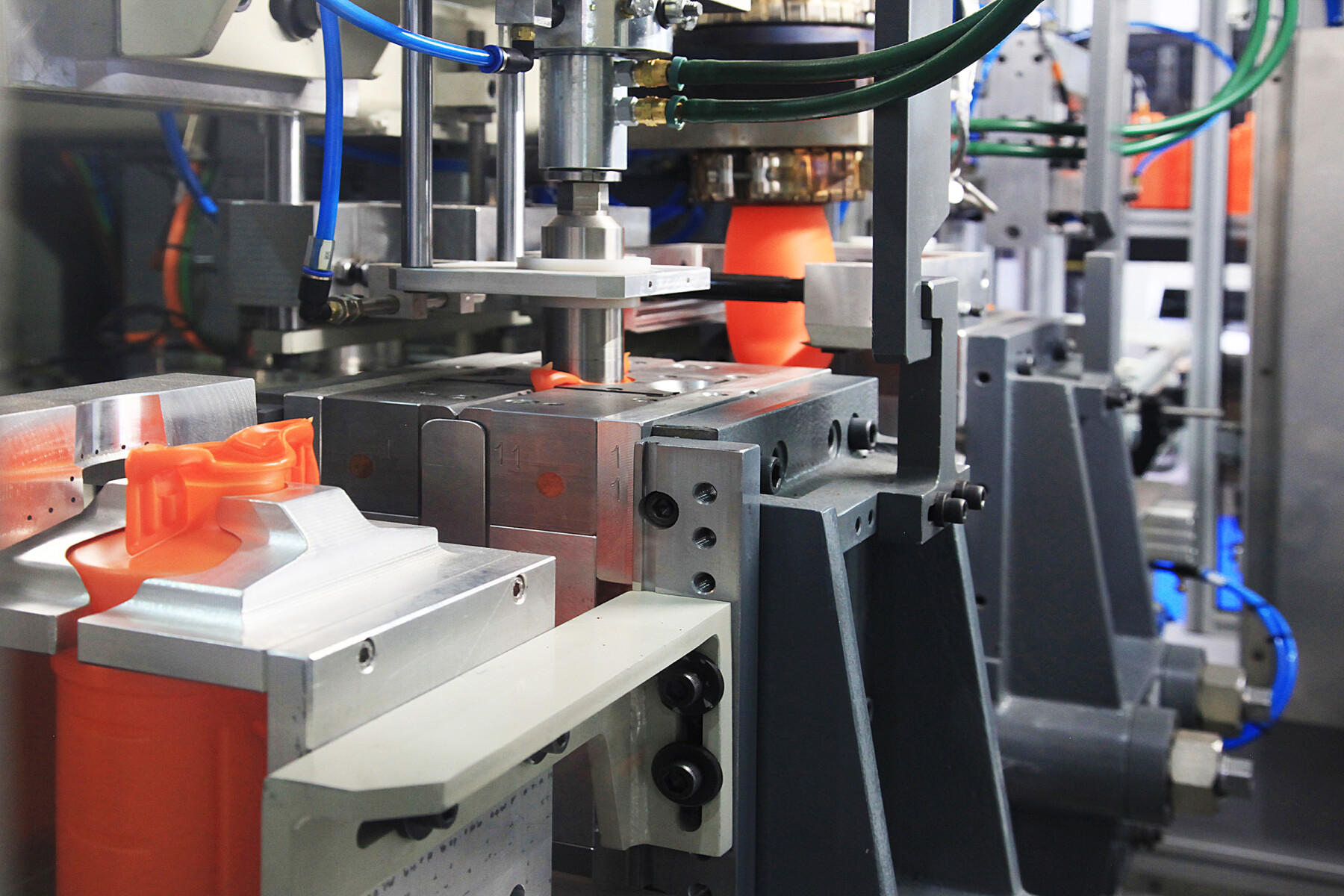
Step 3. Hot pressing
This is where the shape is born. The material enters a metal mold that combines heat and pressure to consolidate the fiber and reproduce the cavities. This step largely defines the density, stiffness and surface finish. Temperature, pressure and time parameters are adjusted for each part.
Step 4. Inspection and packing
Parts are checked against the agreed standard, such as visual appearance, dimensions and absence of defects. They are then stacked and packed for shipping so they reach your line clean and protected.

The role of the mold
The mold determines the quality of each part and is therefore a major investment. Ask your supplier:
- Who owns the mold?
- What is its estimated service life?
- How are engineering changes approved and charged?
- What maintenance does it require and who performs it?
What to ask for to control quality
- An approved, signed sample as the reference standard.
- Specifications for weight, critical dimensions and appearance.
- An inspection plan and acceptance criteria per lot.
- Raw material traceability.
You can see a summary of our flow on the manufacturing process page. To talk about your part, call us at +52 664 533 7077.
Frequently asked questions
How long does it take for a mold to be ready?
It depends on the complexity and number of cavities. Always ask about the schedule for the mold, prototypes and validation, not just production time.
Do I need a mold for each product?
Normally yes, for each tray geometry. A well-thought-out design can share one tray among product variants and reduce the investment.
What do I need to request a quote?
The product or its 3D model, its weight, your estimated annual volume, and how it is transported and stored. With that information we can give you initial guidance.