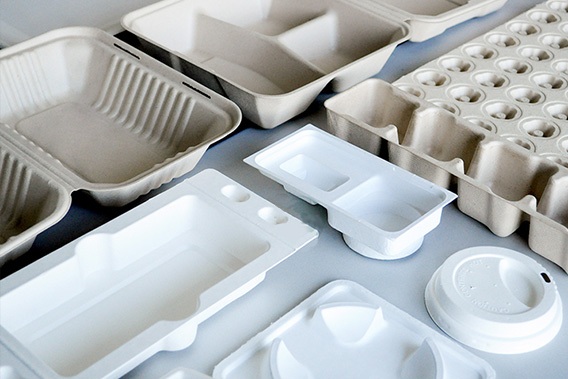
Kits, devices and secondary packaging can move from plastic to fiber. Here is where it makes sense and what must be validated.
In healthcare, packaging is part of the quality system. That is why material changes are made with more care than in any other industry. Even so, many companies are finding real opportunities to reduce plastic without touching what is critical.
A distinction that prevents problems
The first step is to separate the layers of the packaging:
- Sterile barrier system: maintains the device’s sterility until use. It is subject to strict requirements, such as those of ISO 11607 for sterile medical devices.
- Secondary and protective packaging: holds, organizes and protects the product already inside its barrier, or products that are not sterile.
Molded pulp fits mainly in the second category. Do not propose it as a direct replacement for a sterile barrier without formal validation.
Where it usually works well
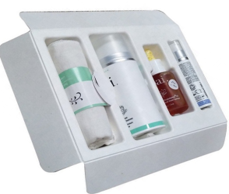
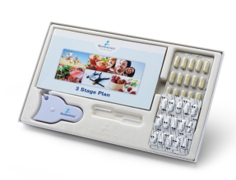
- Kits and presentations: trays that organize several components and guide the user.
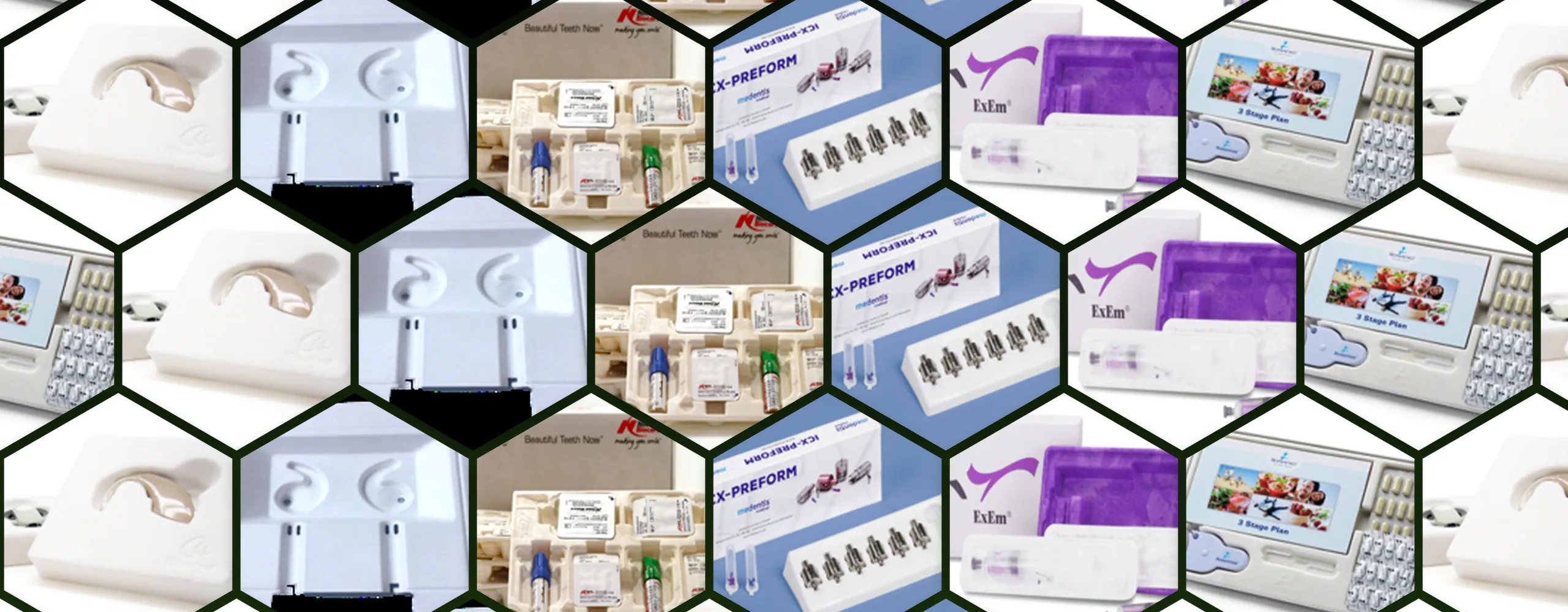
- Diagnostic and monitoring devices: protection during shipping, especially to the end consumer.
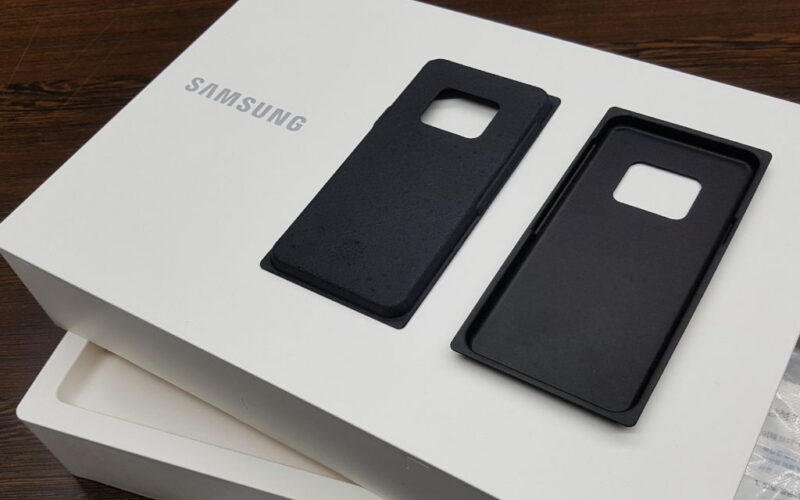
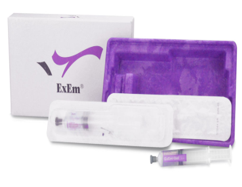
- Commercial samples: presentations that convey a good brand image and are easy to dispose of.
- Accessories and consumables: products packed in a bag and then placed in the tray.
What to validate with your quality team
Before any change, review these points with your team:
- Change control: a change in packaging material may require documentation and regulatory approval, depending on the product and market.
- Cleanliness and particles: define acceptance criteria and measure them, particularly if the part enters controlled areas.
- Traceability: ask for lot control of raw material and finished product.
- Distribution testing: your complete packaging must pass the defined transport sequence.
- Compatibility: verify that the fiber does not affect your sterilization process, if the tray goes through it.
A prudent way to begin
It is not advisable to start with your most critical product. Choose a low-risk line, such as a non-sterile kit or an accessory. That way you learn the process at a low cost, generate internal evidence and set criteria for the next projects.
From Tijuana, an important medical device manufacturing cluster, Ecovida can review the tray and the sample plan with you. See our solutions for the medical sector.
Frequently asked questions
Can molded pulp be a sterile barrier?
On its own, it is not normally used as a sterile barrier. Its usual function is protection and organization around an already validated barrier system.
Can it be used in a cleanroom?
It has to be evaluated case by case, because fiber can generate particles. Many companies keep it out of the cleanroom and use it in secondary packaging.
How long does it take to change a device’s packaging?
It depends on the product and its regulatory classification. Design and prototyping are one part; validation and change control usually determine the real schedule.