Food contact, grease barrier, PFAS and logistics: what your team should review before switching to fiber packaging.
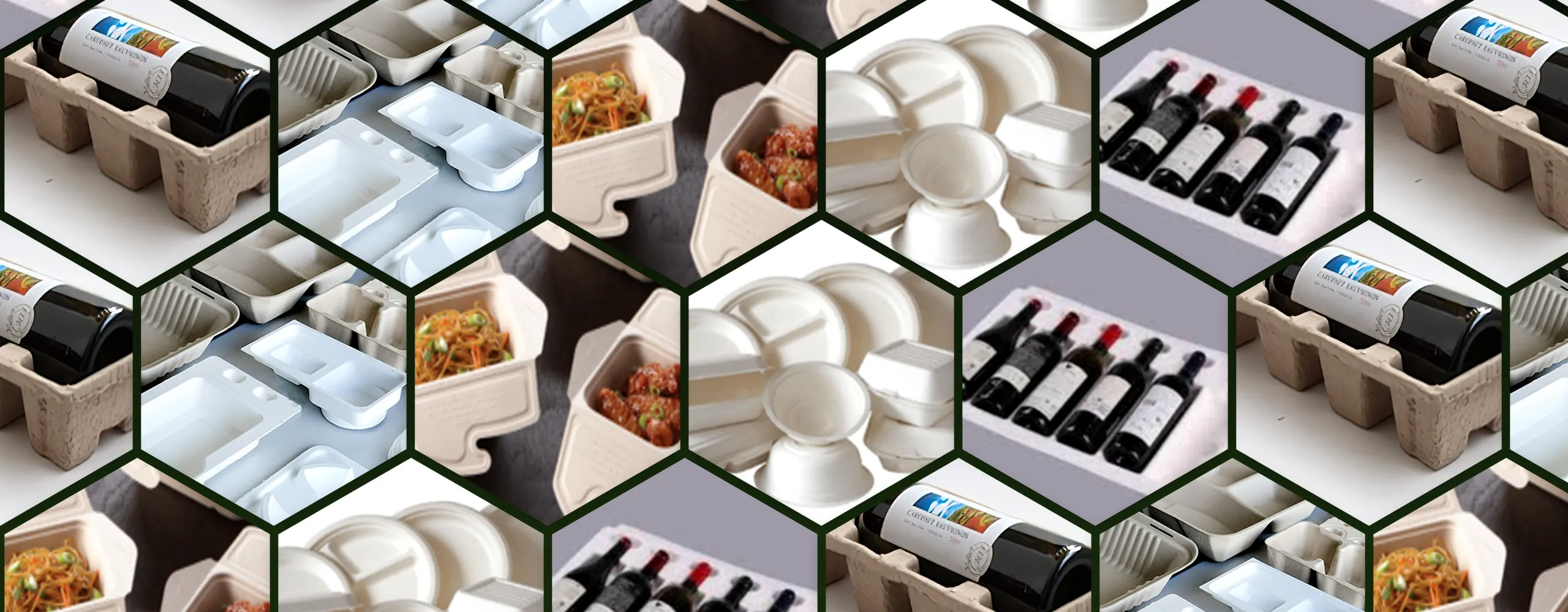
Consumers already expect less plastic in what they buy to eat, and fiber packaging is everywhere: from the takeout container to the tray protecting a wine bottle. But a food packaging change has one simple rule: safety first, everything else after.
Two very different uses
It is worth separating two cases because their requirements are not alike:
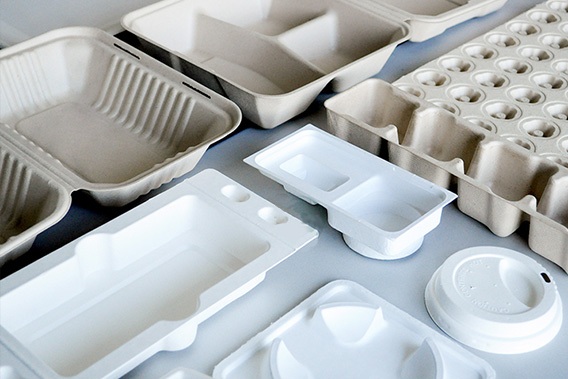
- Direct contact with food: plates, trays and containers. These are governed by rules on food contact materials.
- Protection without contact: trays for bottles, jars or multipacks. Here the focus is on protecting the product during transport.
What to review if there is food contact
Ask your supplier for documentation specific to the final part and the destination market. In the United States, for example, the FDA regulates paper and paperboard components in contact with food, including section 21 CFR 176.170. In Mexico, you should validate the health regulations that apply to your product with your regulatory team.
Grease and moisture
Untreated fiber absorbs liquids. For hot, greasy or sauced foods, some kind of barrier treatment is normally required.
The PFAS issue
For years, some fiber packaging has used PFAS compounds to resist grease. These compounds are at the center of regulatory and public attention, and in 2024 the FDA reported that manufacturers had stopped selling PFAS-containing grease-proofing substances for food contact use in the US market. Always ask your supplier for a statement on the treatment it uses and confirm that its part does not intentionally add PFAS.
Protection for beverages
Wine, spirits and premium beverages are a major use case. A pulp tray replaces foam, separates bottles to prevent collisions and holds up well in individual e-commerce shipments.
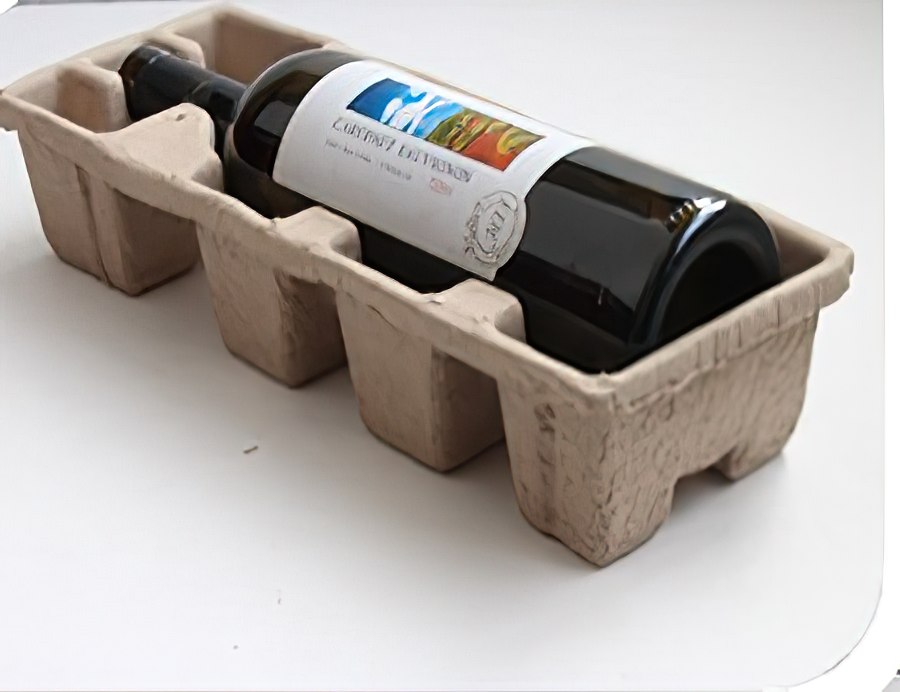
When designing it, consider the following:
- Real weight of the full bottle and expected drop height.
- Number of bottles per box and the spacing between them.
- Warehouse humidity, especially for wines stored in cellars.
- The tests your courier requires.
What to say (and not say) on your label
Words like “biodegradable” or “compostable” have legal and commercial implications. Use only those you can support with current certifications of the final part, such as those based on ASTM D6868 or EN 13432 where applicable, and review the regulations of each market. A vague claim can cost more than it brings in.
Start with what you can measure
Before switching, document your current packaging: weight, cost, volume, scrap and tests. That will be your point of comparison. Then a prototype will tell you whether the product arrives as it should. See our solutions for food and beverage.
Frequently asked questions
Are all fiber trays suitable for food?
No. A tray must be made with suitable materials and processes and have the necessary documentation. If your application involves direct contact, ask for specific evidence for that part and your market.
Can they be used to ship bottles by courier?
Yes, it is one of their most common uses. The tray must be designed for the product’s weight and validated with the tests the courier requires.
Can they withstand refrigeration?
It depends on the treatment. In cold rooms and humid environments, fiber can lose stiffness, so you should test it under the real conditions of your cold chain.