Phones, accessories and components demand a high level of fit and protection. This is how molded pulp reaches the electronics industry.
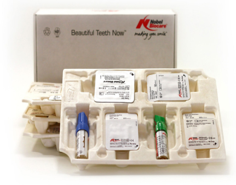
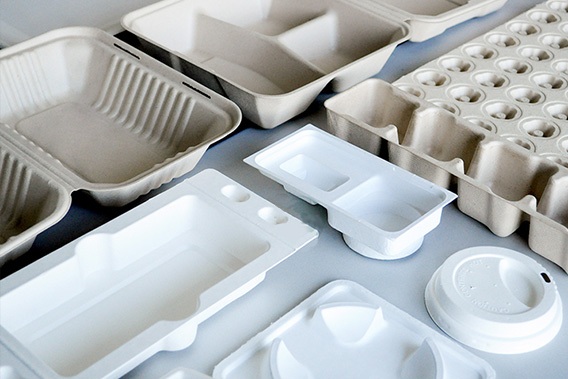
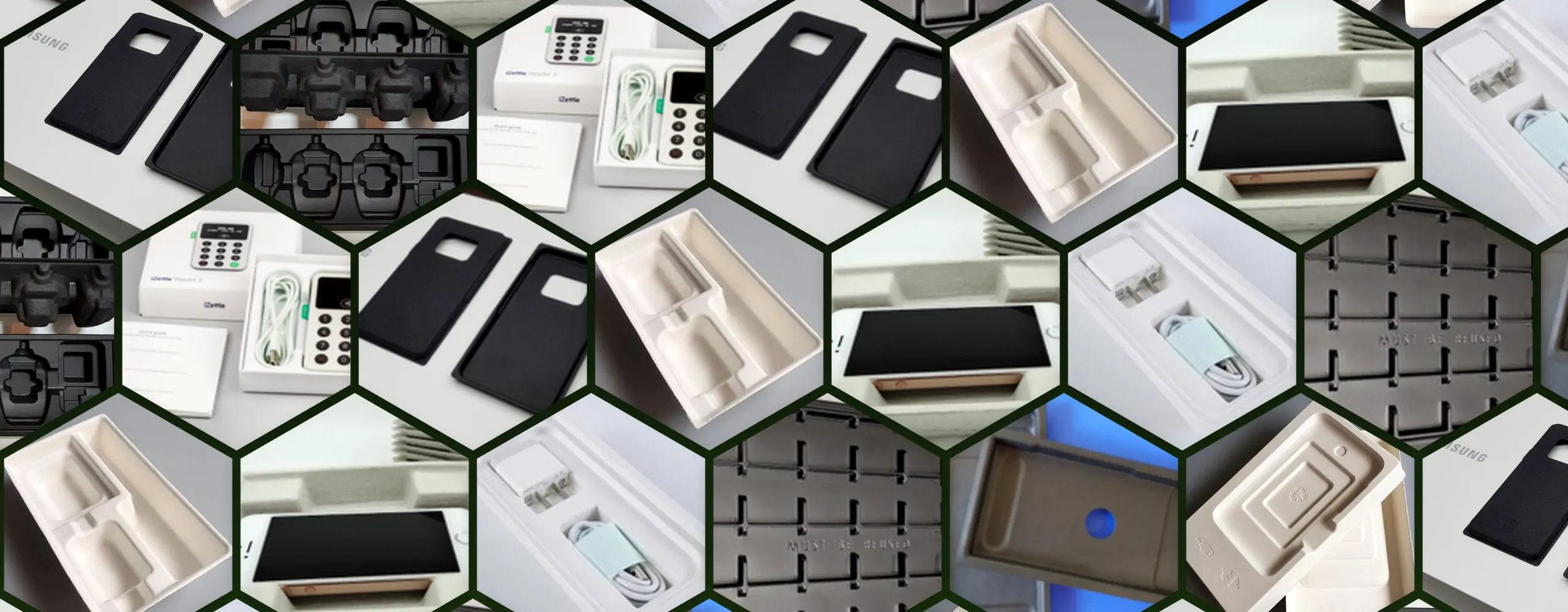
Consumer electronics was one of the first industries to remove plastic from its packaging, and for a very visible reason: a phone’s box is part of the product. Fiber trays have become a common option, both inside boxes and for handling parts within the plant.
Ecovida knows this sector firsthand. Part of our history, since 2020, is supplying pulp trays to the cell phone division of a global manufacturer.
What is demanded of a tray for electronics
- Precise fit: the device must not move inside the cavity, but it must not get stuck either.
- Surface protection: screens and finishes must not be scratched or marked by contact.
- Impact resistance: the tray must absorb drops during transport.
- Cleanliness: fiber particle shedding must be controlled if the product is sensitive.
- Presentation: it is the first thing the customer sees when opening the box.
And static electricity
When it comes to sensitive components rather than a finished product, electrostatic control is a design requirement. The resistivity level and compliance with your ESD control program, for example under ANSI/ESD S20.20, must be defined and verified with measurements on the final part. Do not assume a fiber tray is ESD-suitable just because it is made of paper. Ask for the measured data.
Three common uses
Primary product packaging
The tray holds the device and its accessories inside the box. Finish and the unboxing experience matter here.
Accessories
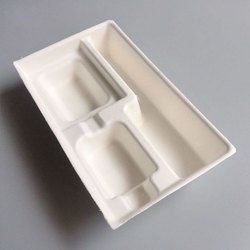
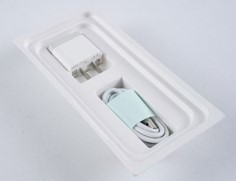
Chargers, cables and earphones can be housed in dedicated cavities. It is very common to replace plastic trays with a single fiber part.
Internal handling and transport between plants
In a cross-border operation, like that of many maquiladoras in Baja California, trays protect parts between stages. In these cases, stacking, automation and reuse, if applicable, need to be validated.
How to take an electronics project to pulp
- Gather the 3D model or a physical sample of the product.
- Define the weight, sensitive points and how it is assembled.
- Share your current drop and vibration tests.
- Validate with a prototype before investing in a production mold.
- Coordinate packaging changes with your end customer, since some brands require approval.
If your plant is in the Tijuana-San Diego region, having the supplier nearby makes samples and visits easier. See our solutions for electronics or call +52 664 533 7077.
Frequently asked questions
Does molded pulp work for cell phones?
Yes, it is an established application. Ecovida has supplied trays for this type of product, and the cavities are designed to fit each model.
Does the fiber shed dust onto the product?
All fiber can generate a certain amount of particles. The process and finish help control it. If your product is sensitive, set an acceptance criterion and test it with samples.
Can the brand be printed or engraved on the tray?
Yes, a logo or other marks can be debossed or embossed through the mold, with no need to add ink.